

Secrets on how to detect rug pulls like a pro revealed!

If you can’t detect rug pulls, you’re obviously going to lose a lot of money in the crypto space. Rug pulls are a common occurrence in the cryptocurrency world, and it's important to understand exactly what they are. A rug pull is when a group of developers or investors suddenly sell off their holdings in a particular cryptocurrency, causing the value of that currency to plummet. This often happens after the group has hyped up the currency and convinced others to invest, only to sell off their own holdings then and leave others holding the bag. Rug pulls are a form of market manipulation and can cause significant financial losses for those who have invested in the affected currency.
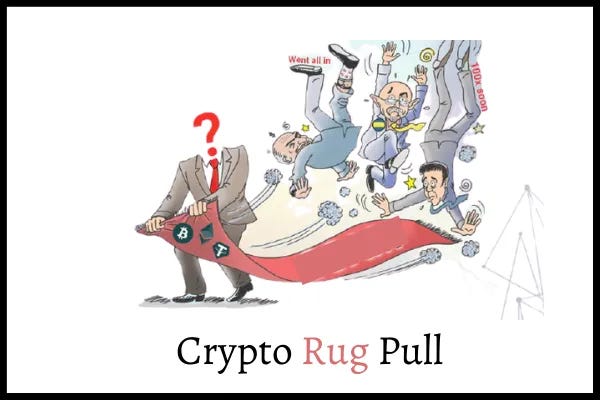
When it comes to rug pulls, there are several types to be aware of. The first type is the classic rug pull, where the developers of a project suddenly exit scams and take all the funds with them. Another type is the slow rug pull, where the developers gradually drain the liquidity pool over time, making it harder and harder for investors to withdraw their funds. The third type is the premeditated rug pull, where the developers plan the exit scam from the beginning and intentionally create a project with no real value. Lastly, there is the unintentional rug pull, where a project fails due to unforeseen circumstances or poor management. No matter the type, rug pulls can be devastating for investors who lose their hard-earned money.
WAYS TO DETECT RUG PULLS LIKE A PRO
1. Check the Tokenomics: Always check the tokenomics before investing. Look for the total supply of tokens, the number of tokens being sold in the presale, and the percentage of tokens that will be locked for liquidity. If the presale allocation is too large, it could be a red flag.
2. Developer Team: Research the developer team and their past projects. Check their social media profiles, Github, and LinkedIn. A strong developer team with a good track record is always a positive sign.
3. Community: Check the community chat grouP or Telegram channel, discord server and Twitter account. A large group doesn't guarantee anything, but it's important to see if the community is active and engaged. If there is no community at all, it could be a sign of a scam. If most of the members, followers and comments are botted, it’s a sign of a scam.
4. Audit Reports: Audit reports can be fraudulent, but they still carry some weight. Check if the project has been audited by a reputable firm. If they have, check the audit report to ensure everything is in order.
5. Liquidity: Check the liquidity on the token. If the liquidity is low or it's all held by a single wallet, it's a red flag. It's easy for the developers to dump all the tokens if they have full control over the liquidity.
6. Marketing: Check the marketing strategy. If the team is spending more time on marketing than on developing the project, it could be a sign that they are trying to attract investors without a solid project.
7. Whitepaper: Read the whitepaper and ensure that it is detailed and comprehensive. If it's just a bunch of buzzwords and promises without any real substance, it's likely a scam.
8. Clear Roadmap: Check if the project has a clear roadmap. If there is no clear roadmap, it's a sign that the developers do not have a plan and are just trying to raise money.
9. Rug-pull history: Check if the team has a history of rug-pulling, by checking social media profiles and other projects. If they do, it's better to stay away from them.
10. Monitoring the Market: Keep a close eye on the market and any suspicious activity. If the price drops suddenly or there is a lot of selling activity, it could be a sign of a rug pull.
In conclusion, detecting rug pull scams requires diligence and thorough research. Remember always to do your own research and never invest more than you're willing to lose.